AI, IBM i modernization, RPG talent and careers, developer resources, leadership insights, hiring trends in the IBM i ecosystem.
Our take on the world of IBM i for developers, leaders, and hiring teams
Talsco Articles
We write these articles to help IBM i teams make better decisions about modernization, talent, leadership, and the future of their platforms. Here you’ll find practical perspectives for developers, technology leaders, and hiring teams navigating an ecosystem where legacy knowledge, modern expectations, and business-critical systems all meet.
IBM i security blind spots, human factors in security, importance of talent and capability alongside controls, risks from one‑person dependencies, undocumented expertise, underused tools, outdated access decisions, succession planning as risk management, Talsco’s services for identifying people‑based security risks, aligning talent strategy with modernization, and promoting a confidential call and weekly insights on IBM i security, talent, and continuity.
Comprehensive career tracking for IBM i professionals, including detailed skill inventory, project history, technology evolution, professional development, performance metrics, career progression, interview preparation, and personal branding.
IBM i job title relevance, multi‑role responsibilities of IBM i professionals, title inflation in tech, hiring challenges and succession planning for IBM i developers, modernizing skill sets, and advice on focusing on actual skills over titles.
IBM i hiring solutions, custom staffing for IBM i and RPG developers, direct hire services for succession planning, RPG Flex Hire consulting (part‑time, short‑term, and extended projects), and scheduling introductory calls.
Hiring IBM i talent, balancing technical skills and market availability; key considerations include onsite vs remote/hybrid work models, leadership support, collaborative culture, technology stack choices (legacy RPG vs modern APIs, Python, etc.), modernization plans, training opportunities (e.g., COMMON events), and the mix of project work versus support roles that affect candidate attraction and retention.
RPG developer shortage and hiring challenges, unrealistic job requirements, importance of evaluating technical skills, experience versus natural talent, salary and compensation considerations, remote hiring options, mentorship and apprenticeship programs, RPG training initiatives, and best practices for attracting and retaining RPG talent.
Gall's Law principle, IBM i platform evolution, simplicity in design, incremental development, backward compatibility, stability and reliability, continuous improvement, adaptability to cloud and AI, long‑term relevance of IBM i.
Base-layer technologies, Internet Protocol (IP), Transmission Control Protocol (TCP), Hypertext Transfer Protocol (HTTP), Power Systems hardware, IBM i operating system, Db2 database, interoperability and integration, security and reliability, scalability and performance, IBM i platform modernization, API support, RPG and COBOL programming, open‑source integration, digital transformation.
Modernizing IBM i applications, decommissioning outdated RPG programs, modernizing mission‑critical RPG, using APIs and web services for integration, leveraging open‑source stacks (PHP, Python, Node.js, JavaScript, Bootstrap), integrating best‑of‑breed solutions (PLM, eCommerce, BI, LMS, HCM), and the benefits of a strategic modernization roadmap.
Internal RPG talent development, apprenticeship program structure, candidate identification, curriculum design, mentorship, implementation steps, benefits for companies and employees, long‑term impact on retention, cost‑effectiveness, knowledge continuity, and bridging the RPG skills gap.
RPG developer retirements on IBM i, importance of knowledge transfer and succession planning, RPG training programs and resources (IBM Power College, user groups, training companies), adoption of open‑source languages (Java, JavaScript, PHP, Python, Node.js) for modern IBM i development, benefits of open‑source frameworks, scalability and community support, and strategies to mitigate talent gaps through cross‑training, mentorship, and formal training.
IBM i cheat sheet and FAQ covering AS/400/IBM i basics, DB2 database usage, job management, spool file handling, flat file operations, and general platform information.
Low-code and no-code development platforms for IBM i, including tools like Lansa, Profound UI, Fresche Solutions Presto, CNX Valence, Eradani, and broader options such as Amazon Honeycode, AppSheet, Mendix, OutSystems, Appsmith, Microsoft Power Apps, Zoho Creator, Appian, Kissflow, and Rapid Ext JS, covering their capabilities, benefits, and considerations for modernizing legacy applications, accelerating development, reducing costs, and addressing scalability, security, and customization challenges.
Renting IBM i space, IBM i sandbox services, Pub400 hosting details, data‑center safety with concrete walls and redundant internet connections.
Blockchain, financial services, IBM partnership, R3 Corda Enterprise, permissioned blockchain, data security, privacy, tokenized assets, smart contracts, enterprise technology adoption.
IBM i leadership, disruption, remote work adoption, technology collaboration tools, RPG free‑form development, modernizing IBM i shops, API and web‑service creation, reinvestment in core and emerging technologies, customer‑focused innovation, new partnerships, embracing new and existing technology platforms.
i2Rest as a native ILE solution for exposing RPG applications via modern OAuth2 and OpenAPI standards; comparison of i2Rest with traditional IBM i Web Services (IWS) that rely on Java, SOAP, and XML; benefits of using i2Rest for quick API creation and legacy RPG integration; references to related articles and resources.

IBM i market hiring, natural talent recruitment, leadership and adaptability lessons from the Milwaukee Brewers, importance of creative and flexible developers, addressing talent gaps in IBM i shops, and offering assistance for finding RPG developers.
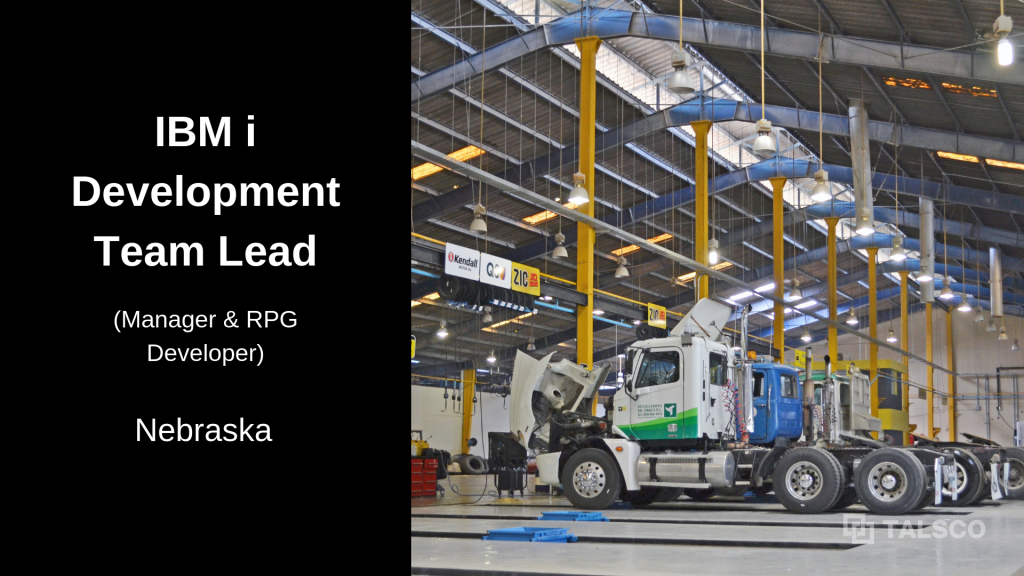
IBM i RPG Applications Team Lead role in Nebraska, managing a four‑person development team with 75% focus on IT projects and 25% on people management; requires RPG programming, ERP experience, and leadership skills; offers growth opportunities, modern office environment, advancement potential, and benefits such as company expansion, state‑of‑the‑art facilities, and career development resources.
IBM i RPG programmer job in Wisconsin with relocation assistance, focusing on IBM i platform commitment, RPG, RDi, SQL, ERP system experience, career growth, stability, and contact information for application.
IBM i Developer Analyst – RPG role focusing on modernizing legacy RPG ERP systems on IBM i/AS‑400, using modern RPG tools like RDi; responsibilities include setting direction, recommending technology, executing and supporting solutions; ideal for candidates seeking a direct‑hire position in a small‑to‑medium organization near Cleveland, OH, with emphasis on culture, team orientation, technical flexibility, and business savvy; includes contact information for application and scheduling interviews.
IBM i modernization, the evolving relationship between IT and business, digital transformation challenges, the need for business tech‑savvy leadership, Deloitte CTO insights, and the continued relevance of legacy systems as a competitive advantage.
AS/400/IBM i history and evolution, IBM POWER hardware (POWER9, POWER10) and performance, open‑source language support (PHP, Java, Node.js) and RPG integration, platform modernization and awareness, blockchain technology, robotics and future of work, leadership and communication strategies, interview and resume tips, LinkedIn‑powered resume tools.

Hiring RPG developers across generations, challenges of attracting talent for IBM i (AS/400, iSeries) platforms, generational workforce differences, importance of remote work and flexible perks, cross‑generational hiring strategies, modernizing RPG versions (II, III, IV, open‑source alternatives) and implementing modernization plans, and practical tips for finding and recruiting skilled RPG programmers.
RPG programmer retirements, IBM i modernization challenges, legacy system migration to APIs, talent acquisition for RPG developers, career implications of resistance to change, and hiring solutions including succession planning and flexible consulting services.
Full Article Archive
January 2026
November 2024
October 2024
June 2024
November 2023
September 2023
June 2023
May 2023
December 2020
October 2020
September 2020
August 2020
March 2020
May 2019
October 2018
August 2018
May 2018
February 2018